
Affordable Housing Regeneration for Stroud District Council
Stroud District Council appointed WWA following a competitive tender to deliver an affordable housing regeneration programme across the district. The project replaced outdated sheltered housing with high-quality, accessible and energy-efficient homes, demonstrating how affordable housing regeneration can revitalise existing communities while making better use of brownfield land.
Working as Lead Consultant, WWA provided architectural design, planning, technical coordination and stakeholder engagement to transform underutilised brownfield sites into sustainable residential developments that demonstrate best practices in affordable housing design.
The Challenge
Stroud District Council’s review of its older persons’ accommodation identified several developments that no longer met modern accessibility, quality or sustainability standards. The Council’s ambition was not simply to replace these homes, but to create a new benchmark for affordable housing across the district.
The sites presented significant technical and planning challenges, including:
- Steep and challenging topography
- Constrained brownfield locations
- Existing residential neighbours on multiple boundaries
- Conservation area considerations
- Listed building settings
- Existing drainage and service infrastructure
- Protected wildlife habitats
- The need to achieve enhanced accessibility throughout
The Council’s ambition extended beyond simply replacing homes. They wanted exemplary affordable housing that demonstrated how thoughtful design could create better places while increasing housing density sensitively within existing communities.
Our Affordable Housing Regeneration Approach
Every site was analysed individually to understand its surrounding character, constraints and opportunities before any design work began.
Rather than attempting to overcome difficult site conditions through expensive engineering solutions, we embraced each site’s natural landscape and used it to shape the architecture.
Key principles included the following:
- Designing around existing topography rather than against it
- Delivering enhanced accessibility to Approved Document M4(2) standards
- Meeting Nationally Described Space Standards
- Creating energy-efficient homes built for long-term sustainability
- Respecting neighbouring properties and local character
- Maximising development potential on previously developed land
This context-led approach ensured each scheme felt rooted within its surroundings while significantly improving the quality and quantity of affordable housing.
Project Highlights
Glebelands, Cam, Gloucestershire
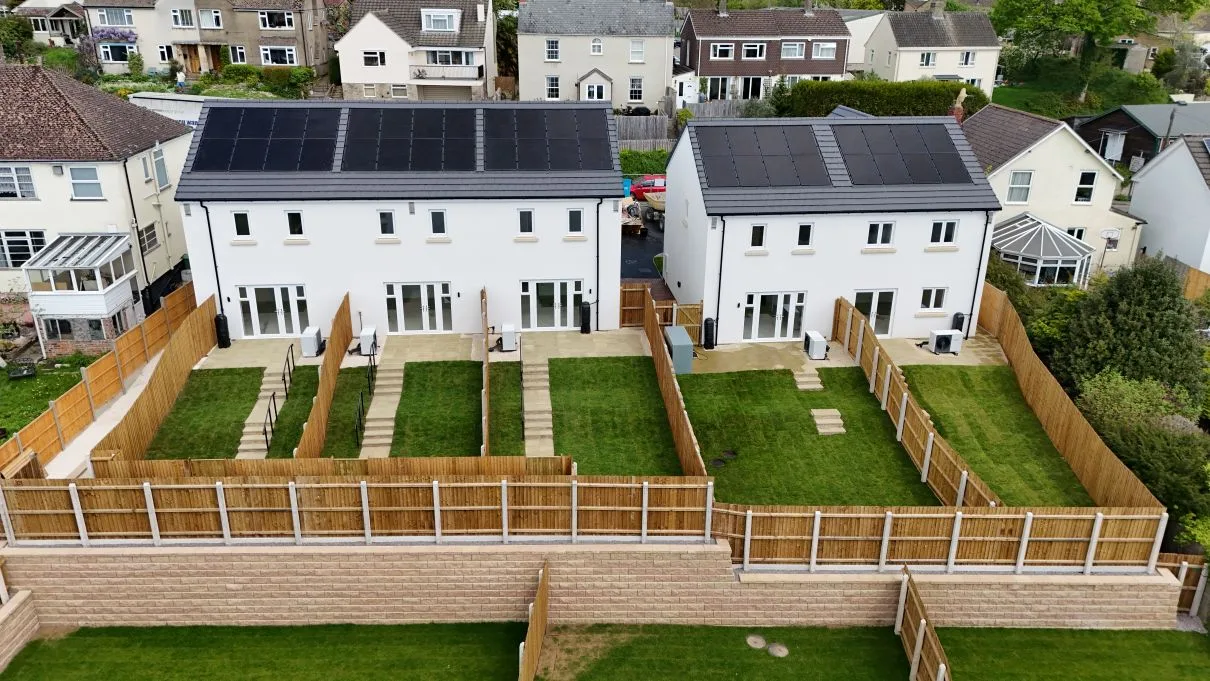
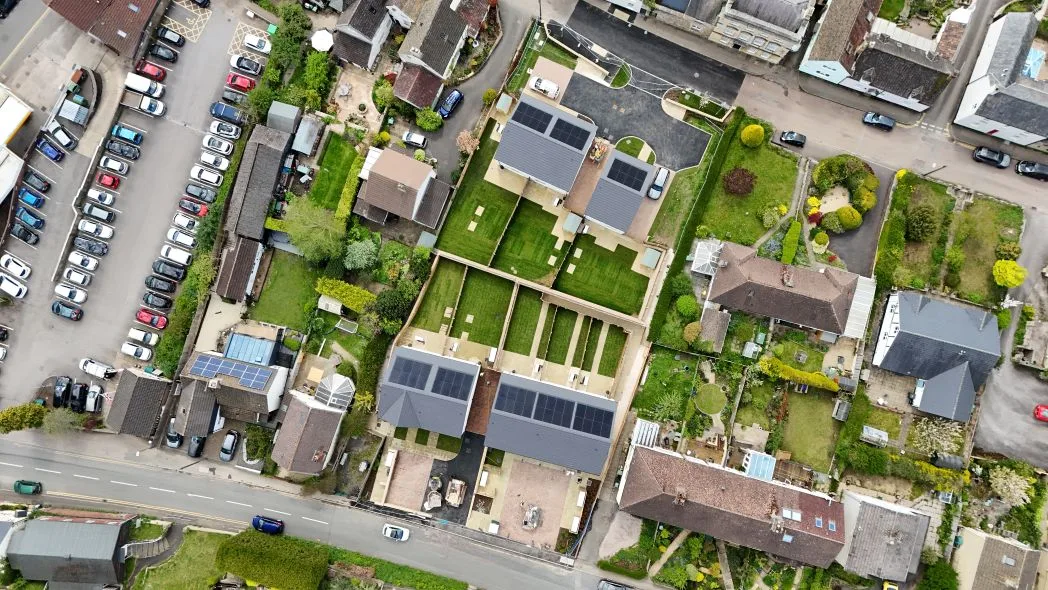
The former sheltered housing site at Glebelands occupied a steeply sloping plot with more than three metres of level change.
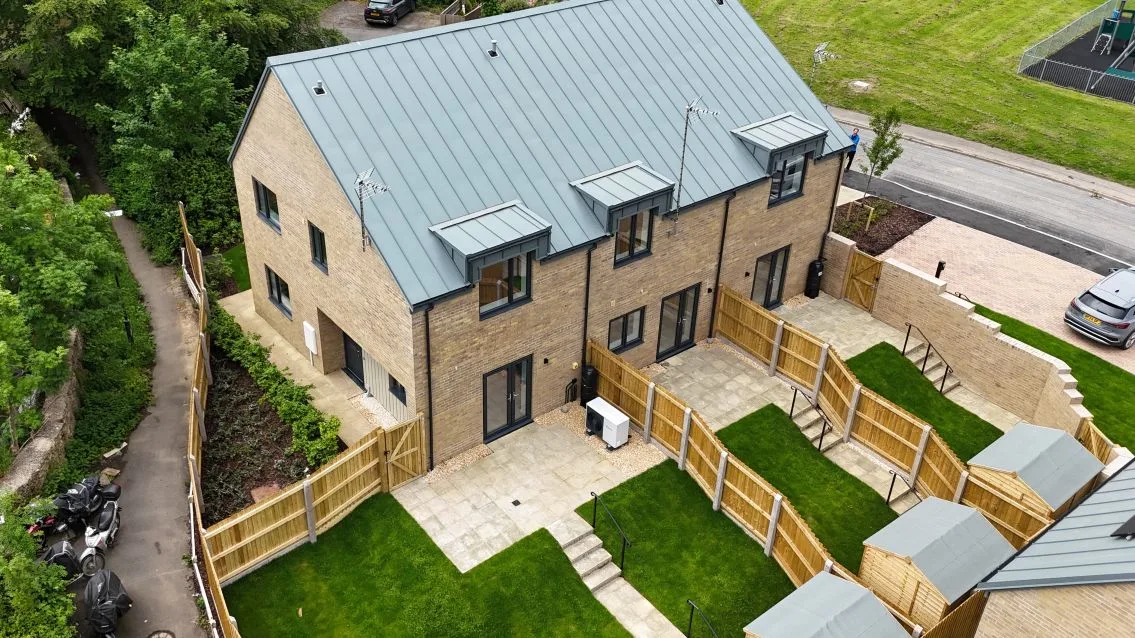
Rather than fighting the landscape, our design embraced the site’s natural contours. Building positions were carefully arranged so that retaining structures became part of the architecture itself, reducing the need for expensive retaining walls while creating fully accessible homes built to Approved Document M4(2) standards.
The redevelopment delivers 23 affordable homes, significantly increasing housing provision without compromising neighbouring amenity or local character. Sustainable Urban Drainage Systems (SuDS) were integrated into the design to improve long-term environmental performance.
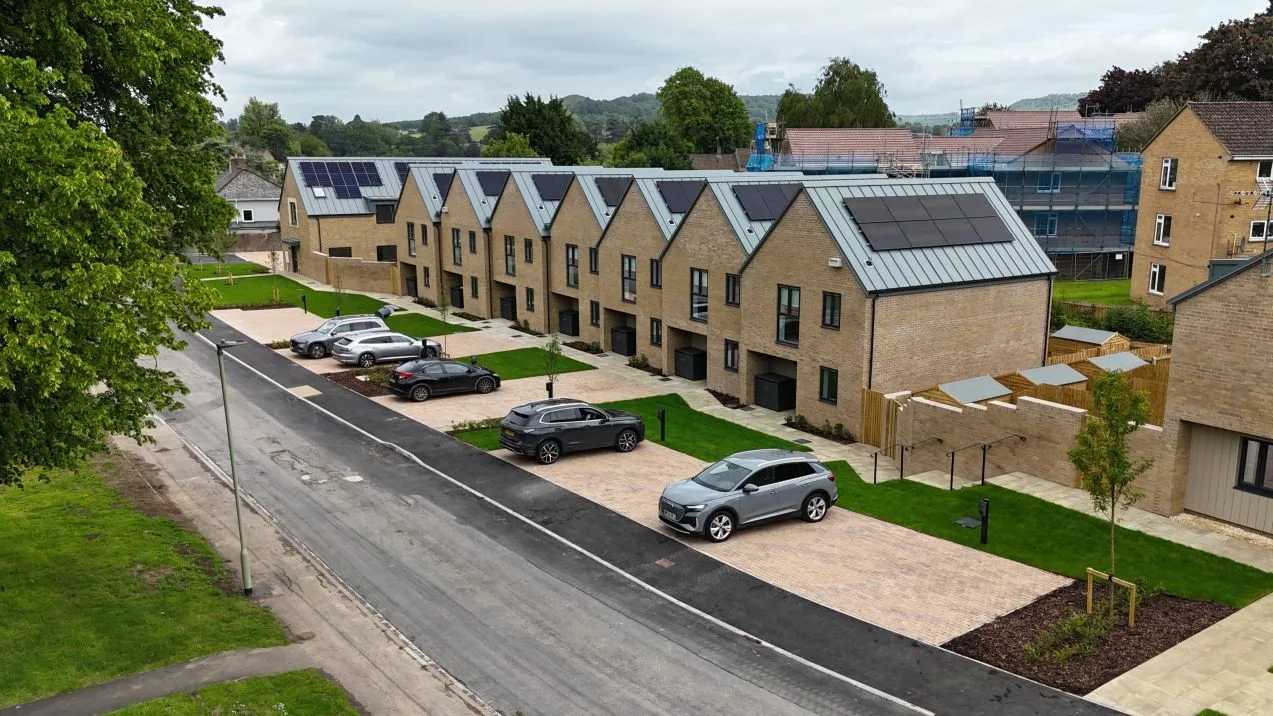
Cambridge Avenue, Dursley
Cambridge Avenue required a very different design response.
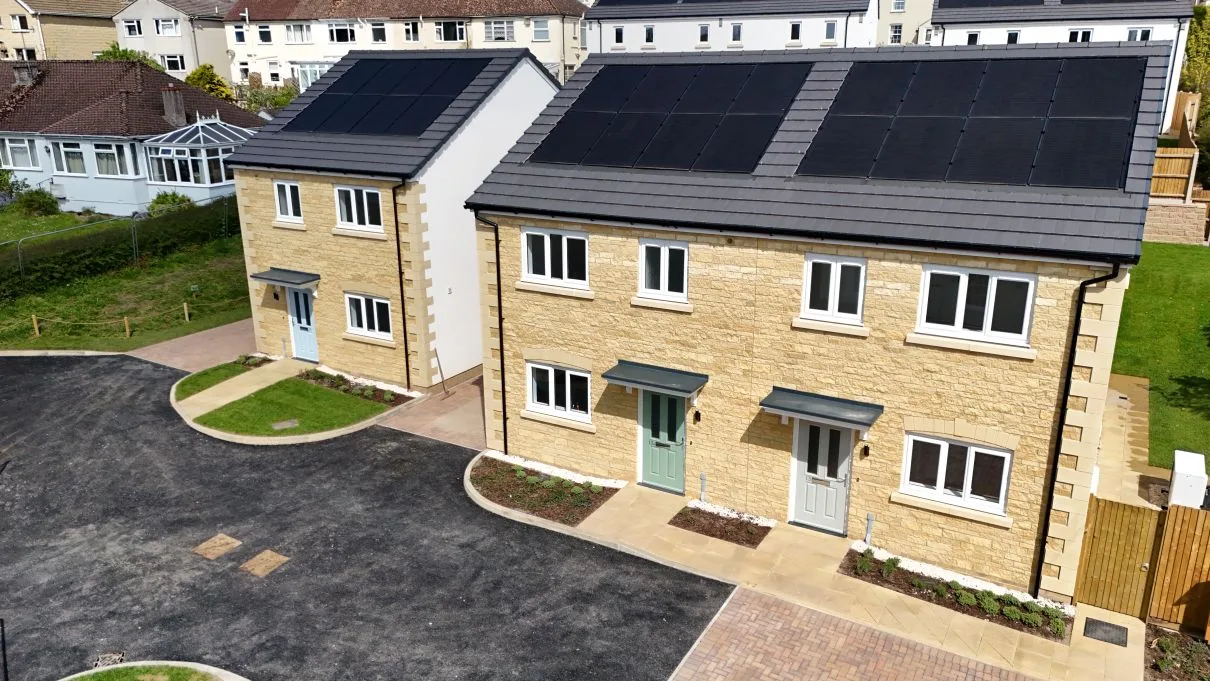
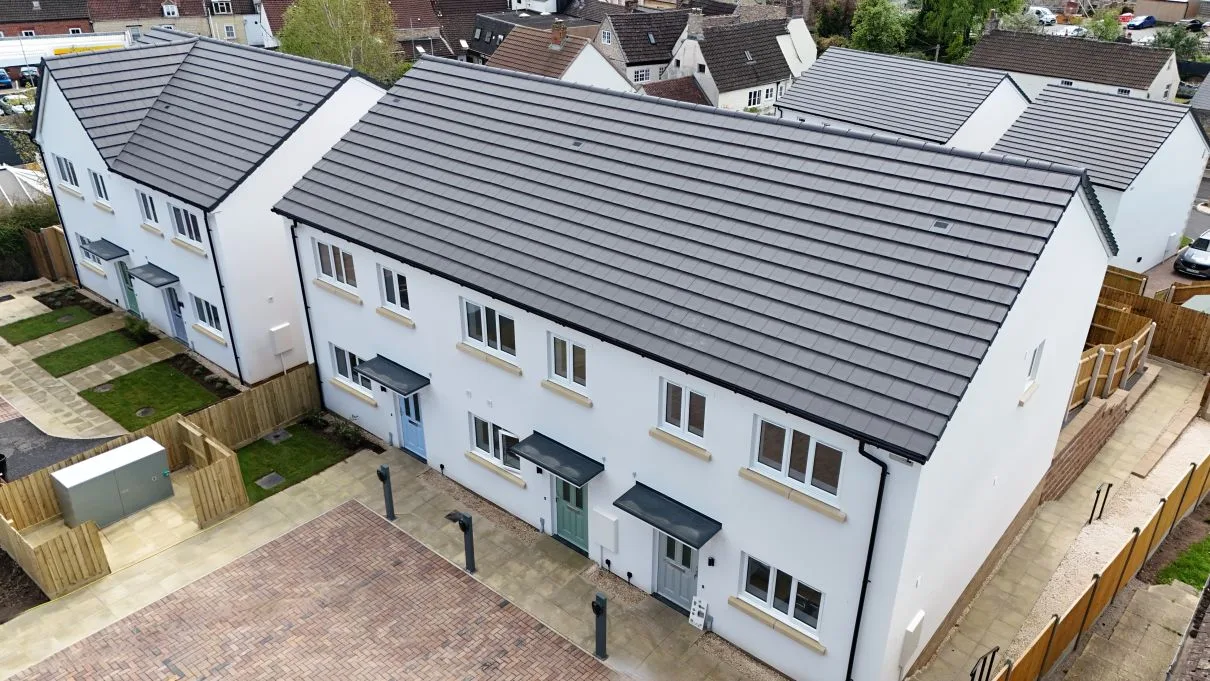
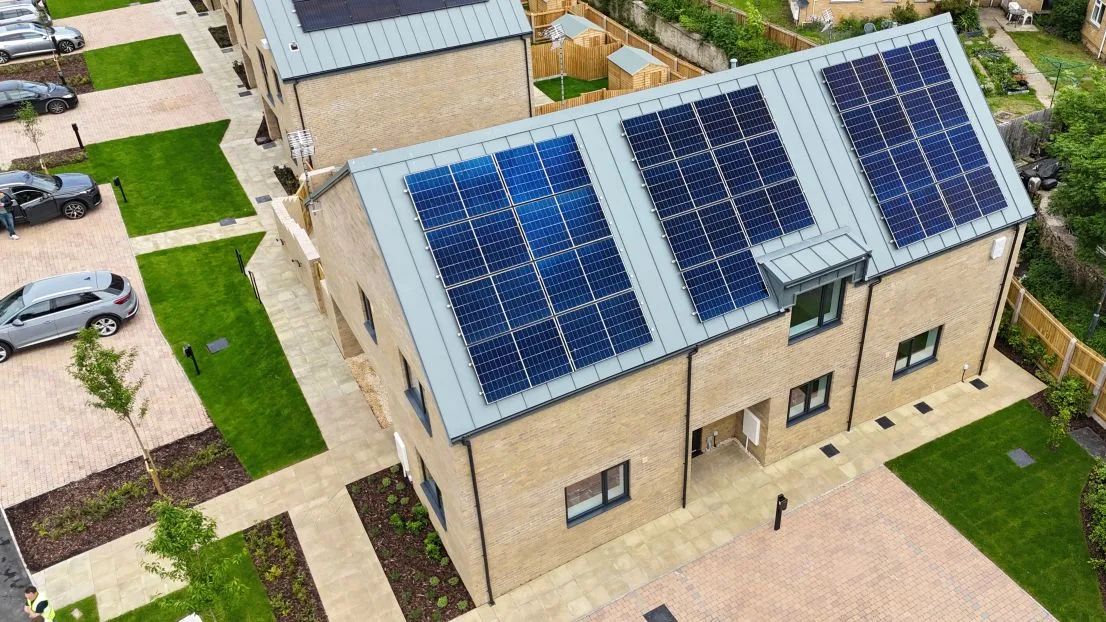
Located adjacent to a conservation area and the curtilage of listed buildings, the site demanded a sensitive architectural approach. Our team undertook a detailed character appraisal to understand the surrounding townscape before developing a contemporary design that complements its historic context.
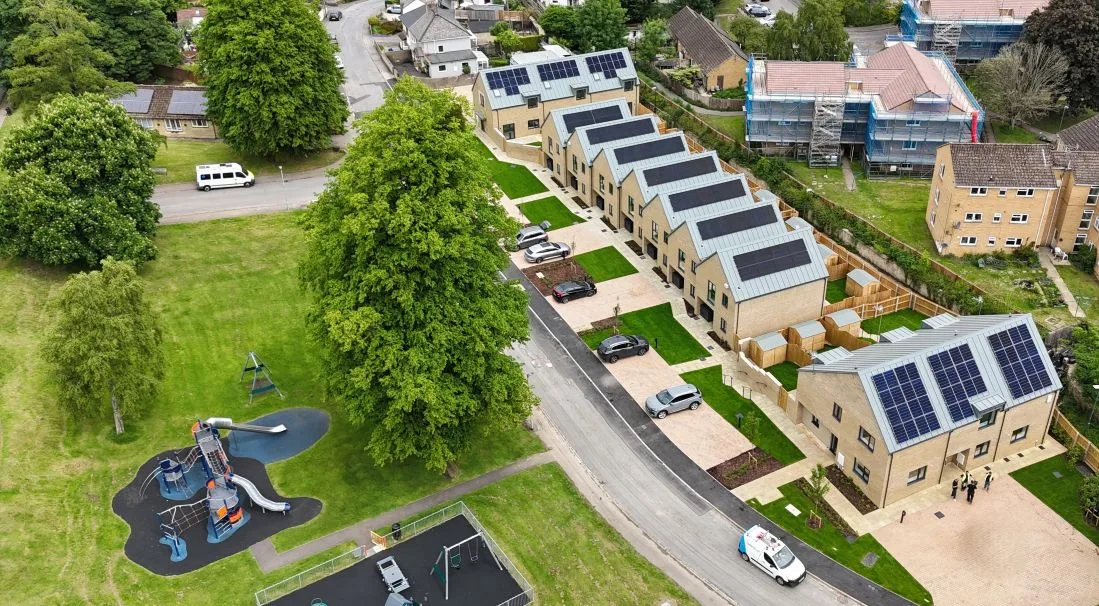
The long, narrow brownfield site also presented challenges, including changing site levels, existing utility diversions and restricted access. Through careful planning and technical coordination, these constraints were successfully resolved, delivering 13 high-quality affordable family homes.
Technical Delivery
Throughout the project, accessibility and site levels were considered from the earliest stages of design.
Rather than imposing conventional housing layouts onto difficult terrain, our team developed solutions that worked with the natural landscape. Level changes were carefully managed to maintain step-free access wherever possible while avoiding visually intrusive retaining walls and guarding structures.
Following demolition works, an unexpected, protected reptile habitat was identified within spoil material left on site. WWA coordinated additional ecological surveys and managed the necessary approvals, enabling construction to proceed with minimal programme impact.
Project Outcomes
Planning permission for both developments was successfully secured in 2021, with WWA continuing to support the projects through planning condition discharge, tender information and technical design.
The completed affordable housing regeneration project delivers:
- 36 new affordable homes across two regeneration sites
- Modern homes built to enhanced accessibility standards
- Energy-efficient, future-ready housing
- Increased housing density on previously developed land
- Sensitive integration within existing neighbourhoods
- Improved public realm and placemaking
Beyond the homes themselves, the projects demonstrate how thoughtful architecture can unlock constrained sites while delivering lasting value for local authorities and communities.
“Overall, SDC have really enjoyed working with WWA during the course of these projects and have built up a good working relationship with the team. The practice are very knowledgeable and Jonathan has always been willing to support in areas where we may need further training and knowledge. This has been really appreciated by the team. Thank you for all your help.”
Kimberley Read, New Homes and Regeneration Manager, Stroud District Council
A Collaborative Partnership
Alongside the two primary developments, WWA also inherited a separate affordable housing project in Wotton-under-Edge, completing the technical design following contractor appointment and the award of Homes England funding.
Across all projects, our collaborative relationship with Stroud District Council ensured the Council’s aspirations for design quality, sustainability and long-term value remained central throughout the delivery process.
Looking to Deliver Better Affordable Housing?
Whether you’re a local authority, housing association or developer, WWA has extensive experience in affordable housing regeneration, delivering high-quality residential developments that respond to place, overcome complex constraints and create lasting value for communities.
Contact our team to discuss your next affordable housing project.
Our Projects

Oakwood Court
View Project
Michaelmas Court
View Project
Bulmer House
View Project
Maidment Court
View Project
Two Bridges
View Project
Tetsworth Barn
View Project
Oakhouse Barns
View Project
Ferry Cottage
View Project
Hartford Point Apartments
View Project