
Decarbonising a Historic Oxford Estate:
Corpus Christi College, Oxford
In 2024, our team worked alongside QODA Consulting and Corpus Christi College Oxford to develop a comprehensive Strategic Heat Decarbonisation Plan to set out a roadmap to achieve their Net Zero target. The resulting plan is a dynamic, continually updated tool designed to help the College track progress, prioritise projects and make informed investment decisions as the estate transitions away from fossil fuels.
Historic estates present unique challenges, especially when buildings are listed, located within conservation areas, and intensively used throughout the academic year. This project required a holistic, sensitive and technically robust approach, balancing heritage value with ambitious sustainability goals.
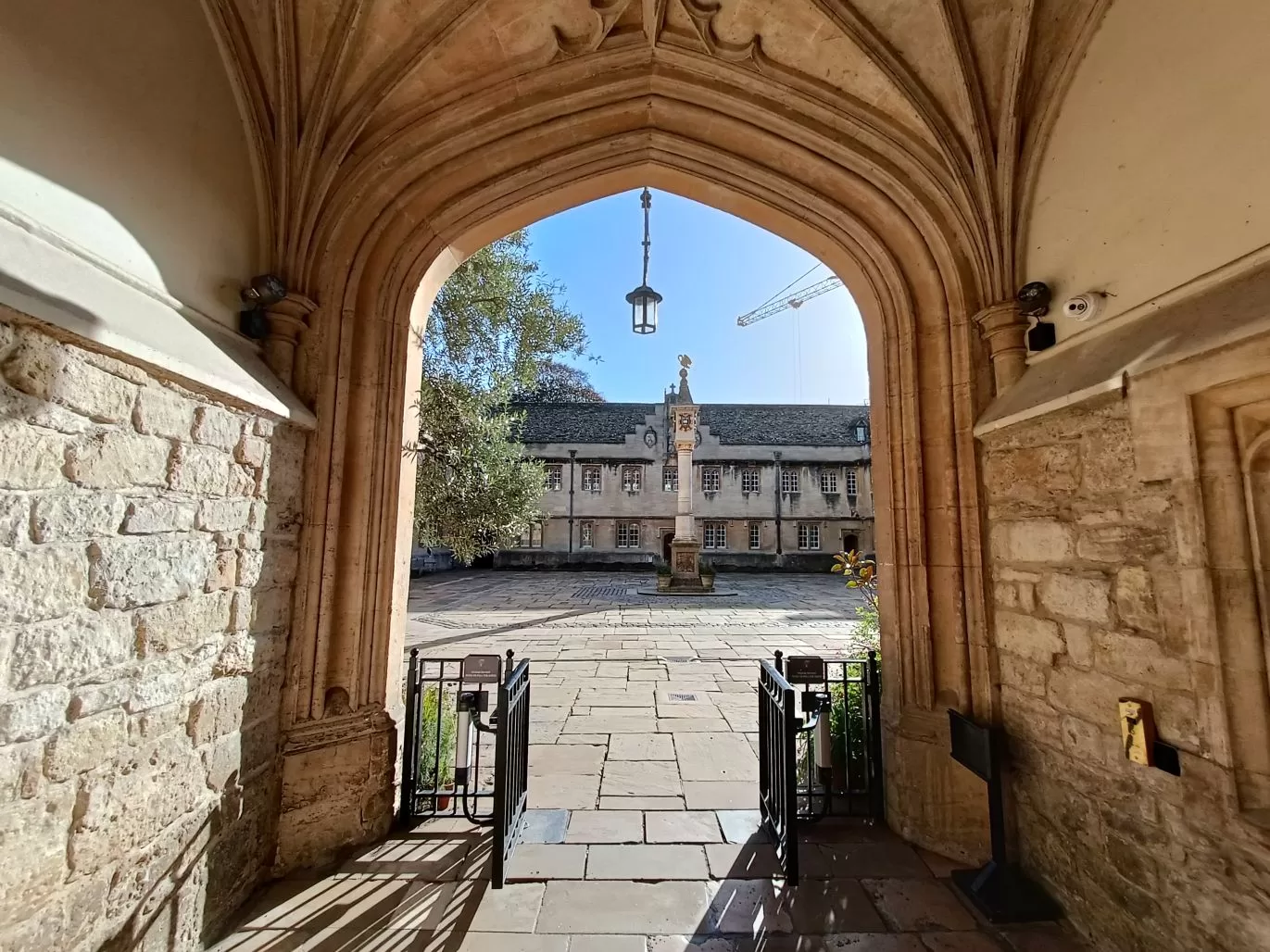
A Diverse and Sensitive Estate
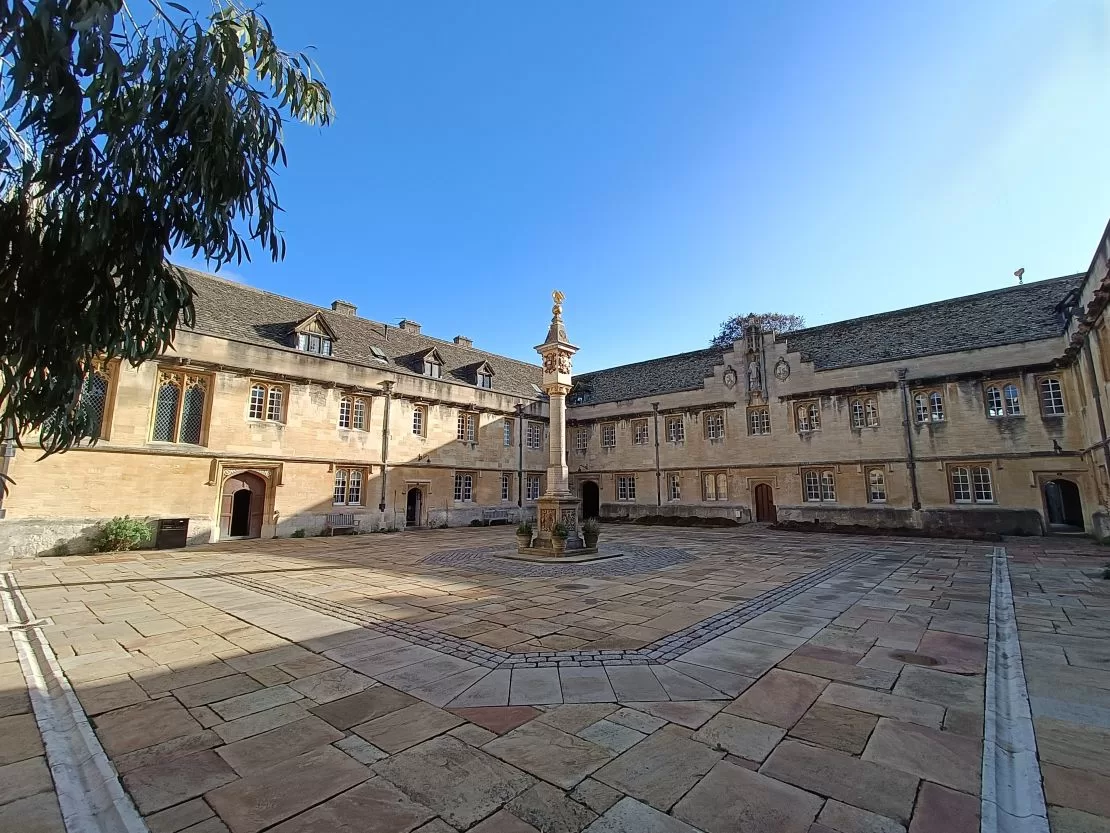
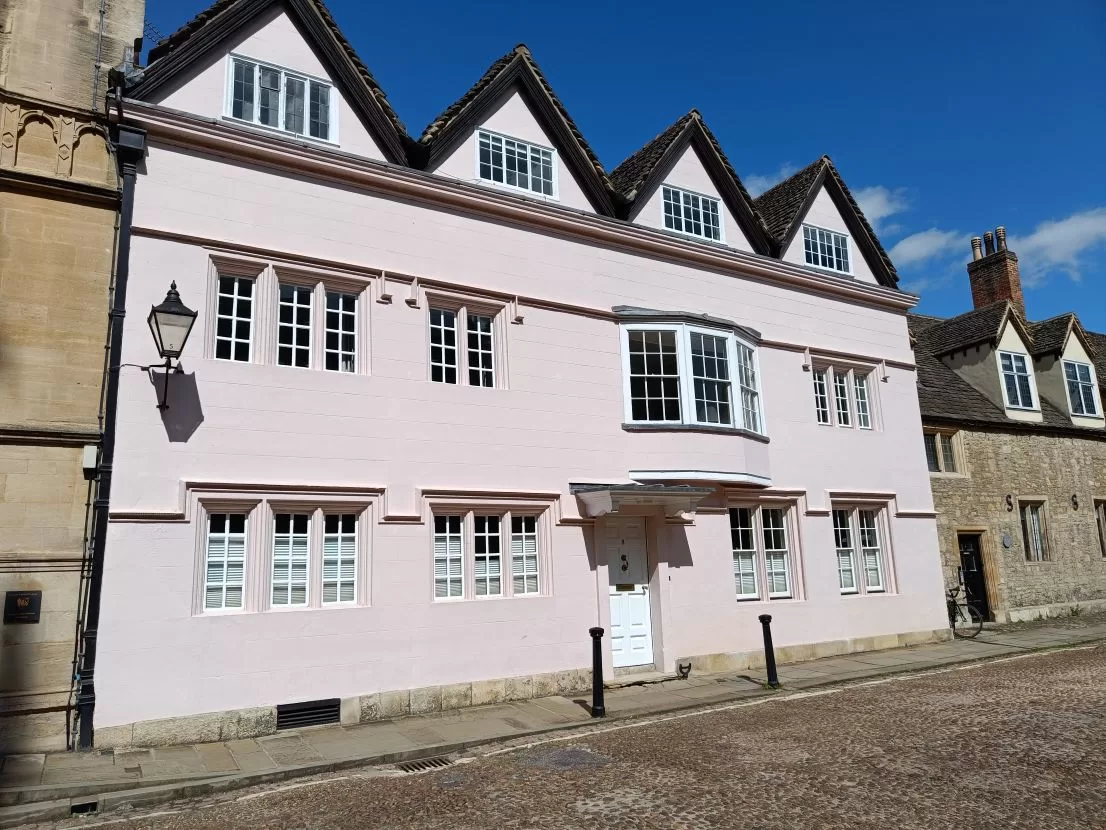
The assessment included 13 buildings, some of which (such as Building 1) can be subdivided into several smaller zones. Many are centuries old, most are listed, and all are set within a conservation area, posing significant heritage constraints on retrofit proposals. The estate spans structures dating from the 1400s through the 1990s, and the southern campus sits within a Listed Park & Garden. In total, the project covered roughly 10,400 m2 of highly varied building stock.
Each building required detailed survey work to identify opportunities to reduce operational carbon emissions through improvements to fabric performance, building services, and the integration of onsite renewable technologies. This work was further complicated by academic timetables, funding cycles, existing maintenance demands, and the inevitable constraints presented by heritage assets.
Retrofit Strategy and Design Principles
The report outlines two options for fabric improvements:
- Low-Disruption Fabric Enhancements: Measures that offer carbon reductions with minimal intervention, appropriate for buildings where heritage or feasibility constraints limit deeper intervention.
- High-Disruption (Deep Retrofit) Enhancements: A whole-building, future-proofed approach aimed at maximising energy efficiency and enabling the effective use of low-carbon heat sources, such as heat pumps, which operate more efficiently with improved building fabric.
A comprehensive whole-building energy modelling undertaken by QODA Consulting evaluated potential retrofit combinations and produced several carbon-emission-reduction scenarios, showing possible pathways to net zero. The report also provided budget estimates and an initial long-term programme to guide investment planning across the estate.

Unique Challenges and How We Overcame Them
The project had to address several compounding constraints; however, the plan confirmed that every building can transition to renewable heating, though not always through a single technology.
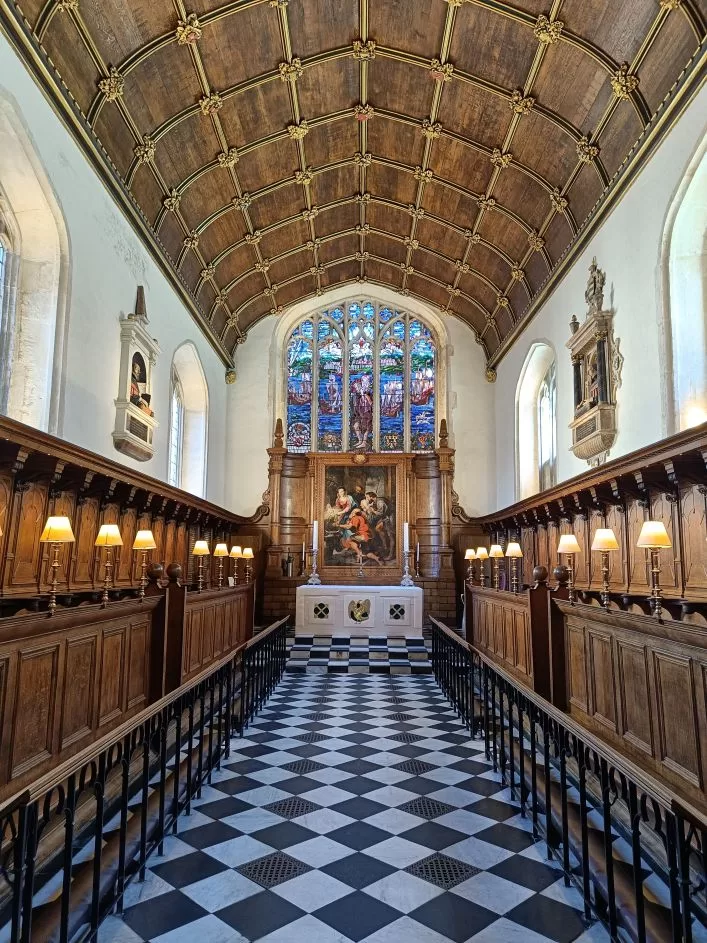
- Heritage and Conservation Constraints: The assessment covered 13 buildings spanning over five centuries, many served by ageing gas boilers. All are located within a conservation area and are listed or adjoin other listed structures.
Solution: Renewable heating systems were identified as suitable for all buildings, with bivalent systems recommended where a single source could not meet peak demand. - Listed Park & Garden Setting: The main southern campus is located within a Listed Park & Garden, adding further heritage considerations to retrofit proposals.
Solution: Sensitive approaches included phased works, fabric improvements, and a whole-building, deep retrofit approach (“High Disruption”) to enable efficient use of low-carbon technologies. - High Carbon Footprint: The existing carbon footprint was calculated at around 684 tonnes of CO₂ per year across all 13 buildings. Retrofit was essential to enable effective decarbonisation.
Solution: Emissions could be reduced overall by 51% using low-disruption enhancements or by up to 70% using high-disruption enhancements, with heat pumps, direct electric systems, and PV arrays identified as suitable alternatives to fossil-fuel heating.
- Increased Electrical Demand: Moving away from gas boilers would increase electrical demand across the estate.
Solution: Electrical capacity upgrades were identified as necessary as part of the long-term plan. - Phasing and Delivery Constraints: Phasing of works needed to align with academic requirements, maintenance schedules, and available funding.
Solution: A 10-year Delivery Plan was prepared, including priority projects based on condition, energy use, and carbon emissions, with ongoing review and post-occupancy evaluation built into the process.
Benefits to the College
- Substantial carbon reduction potential: Carbon emissions can be reduced by 51% with low-disruption measures and by up to 70% with high-disruption deep retrofit enhancements.
- A phased and fundable delivery plan: A clear 10-year plan prioritises short-term actions in response to ageing heating systems while enabling longer-term deep retrofits.
- Flexibility of approach: The Low vs. High Disruption framework provides the College with adaptable options to balance conservation constraints, funding availability, and carbon-reduction goals.
- Futureproofing through electrification: Recommendations for bivalent heating systems provide transitional solutions, with options to move fully to electrification and renewables as infrastructure upgrades are implemented.
- Evidence-led, whole-building strategy: Detailed surveys and energy modelling ensure decisions are based on accurate data and reduce the risk of piecemeal retrofit and unintended consequences.
The college is now moving forward with the decarbonisation programme, with works being delivered in phased stages as set out in the 10-year plan. This structured approach allows the college to address ageing infrastructure, integrate renewable technologies, and steadily reduce carbon emissions while safeguarding its historic environment.
If you’re looking to decarbonise complex or heritage buildings without compromising their character, speak to us about creating a tailored retrofit and energy strategy.
For enquiries, please contact Project Lead Matt Hinkins, a certified Passivhaus professional specialising in deep retrofit and low-carbon strategies for historic and complex estates.
Our Projects
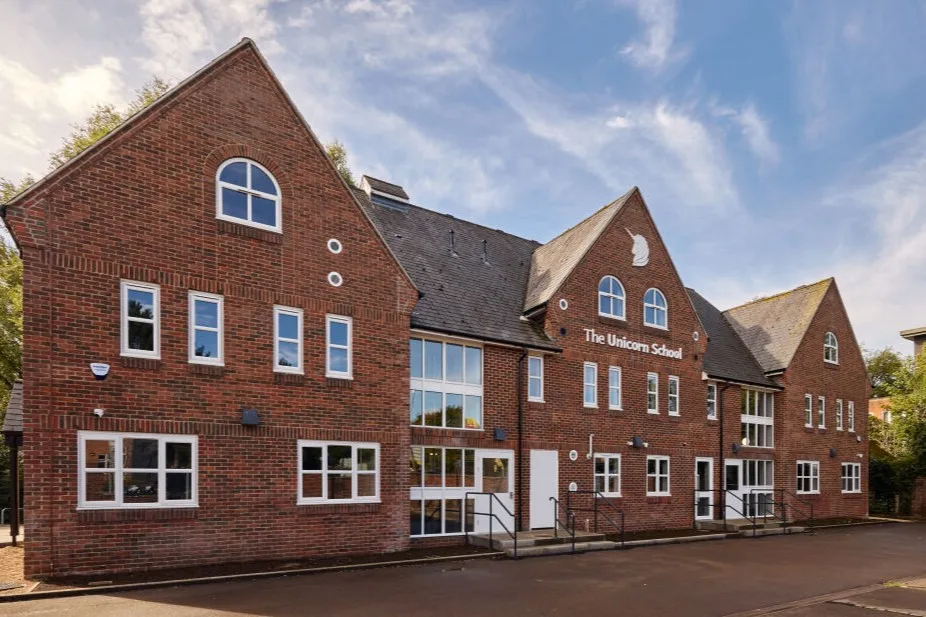
The Unicorn School
View Project
All Souls College Sustainability and Energy Reduction
View Project
Winterbourne Medieval Barns
View Project
Fairmile Cemetery Columbarium
View Project
All Souls College Façade Restoration
View Project
The Great Barn
View Project
Oakhouse Barns
View Project
Ferry Cottage
View Project
Roborough House
View Project