
Health and Housing: Reflections Following the Housing 21 Conference
Following the Housing 21 Conference, held in October 2025, we’ve been reflecting on the powerful relationship between health and housing and how, as architects, we can help shape healthier homes and communities for the future.
The Health Impact of Poor Housing
Poor-quality housing has a direct and measurable impact on health. From Awaab’s Law, introduced to address damp and mould issues, to the increased risk of trips and falls, the effects of inadequate housing can be devastating. Improving the quality of housing could lead to huge savings for the NHS, yet the health service remains focused on treatment rather than prevention through better homes.
Research even suggests that prolonged exposure to poor housing conditions can influence DNA expression, showing similarities to other lifestyle-related health issues such as smoking. This underscores just how deeply health and housing are intertwined.
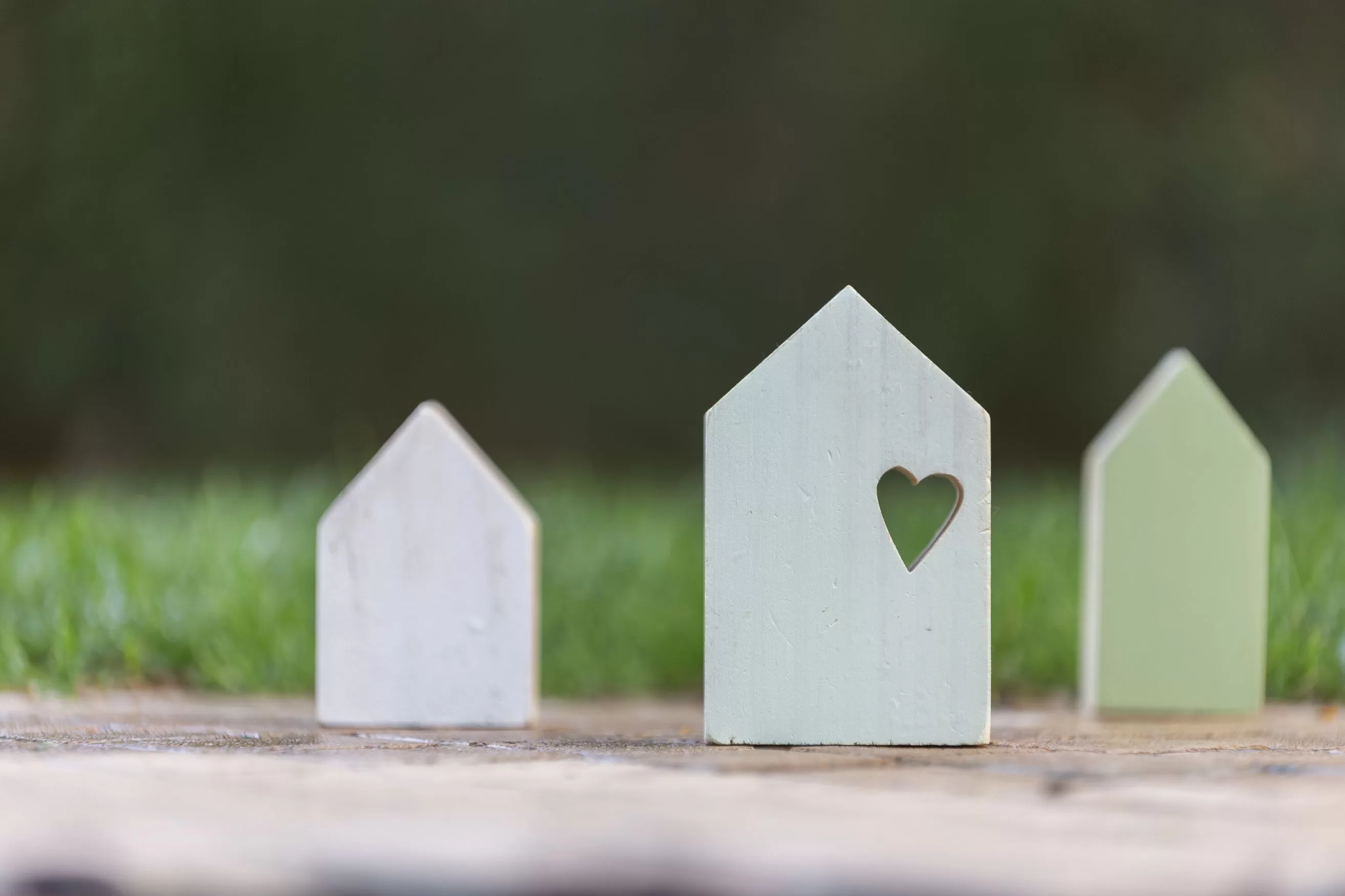
The Future: Digital Wards and Healthy Homes
As digital wards become more common and healthcare increasingly moves into the home, the boundaries between health and housing will continue to blur. Ensuring that our homes are well insulated, well ventilated, and accessible by design is not just good practice; it’s an investment in public health.
While these principles can be embedded into new-build projects, smaller interventions can be considered during refurbishments or even simple DIY improvements to enhance the health outcomes of existing homes.
The Architect’s Role
At WWA, we believe architects play a crucial role in promoting healthier living environments. The RIBA 2030 Climate Challenge has rightly emphasised reducing operational energy, embodied carbon, and water usage, but it also includes key targets around healthy buildings, such as:
- Overheating
- Daylighting
- CO₂ levels
- Total Volatile Organic Compounds (VOCs)
- Formaldehyde
WWA’s Approach
WWA has developed its own in-house design guide, aligned with the RIBA 2030 Climate Challenge, to help address these health and well-being challenges across all projects.
Overheating
Thermal modelling should be undertaken before planning submission. This enables refinement of window sizes and integration of solar shading, through overhangs, louvres, or shutters, into the design from the outset.
Daylighting
Daylight levels need to be carefully balanced with overheating considerations. By optimising window sizes early, spaces are light, bright, and comfortable throughout the year.
CO₂ Levels
All ventilation systems should meet Building Regulations Part F requirements, supporting good indoor air quality and occupant well-being.
Total VOCs
Materials with low or zero VOC content should be prioritised, from paints and adhesives to sealants, and specify natural floor finishes such as timber or natural fibre carpets wherever possible.
Formaldehyde
Low-formaldehyde sheet materials should be selected to reduce indoor pollutants and create safer, healthier interiors.
Designing for Health Beyond Layout
Healthy housing is about more than just efficient layouts and insulation; it’s about creating spaces that support physical and mental well-being. By embedding health-focused design principles into every stage of a project, we can help deliver homes that are sustainable, comfortable, and truly life-enhancing.
Related Articles
Beyond Bricks and Mortar – Designing with Trauma in Mind
Read More
C2 or C3? Why This Planning Grey Area Still Confuses Everyone and Why It Matters for Housing and Affordability
Read More
Turning Vision into Deliverable Housing Solutions
Read More
Increased Housing Allocations for Older Persons’ Housing is a Necessity
Read More
Designing New Towns for an Ageing Population
Read More
Why the Future of Older People’s Housing Depends on Local Plans Today
Read More
Patience is a Virtue
Read More
Designing with Dignity: Empowering People Living with Dementia
Read More
Philip Waddy Recognised as Leader of the Year
Read More