
Breathing New Life into a Forgotten Site
For years, the Unicorn School faced a growing challenge. The school had built a strong reputation for transforming children’s educational journeys through specialist SEND provision. But demand had long outstripped capacity. The school received over 350 applications for just 20 places each year. Expansion became urgent.
The existing campus, adapted from a residential property, was stretched to its limits. The school repurposed every spare corner into teaching space, yet it was never designed to accommodate the school’s ethos or ambition. The Trust wanted to expand without losing the qualities that made the school special.
That change came in the form of an unexpected opportunity: a disused Premier Inn and Beefeater restaurant on Marcham Road in Abingdon. To most of the community, the site had become a vacant eyesore. To Unicorn, it was the chance to turn an unloved space into a thriving centre for learning.
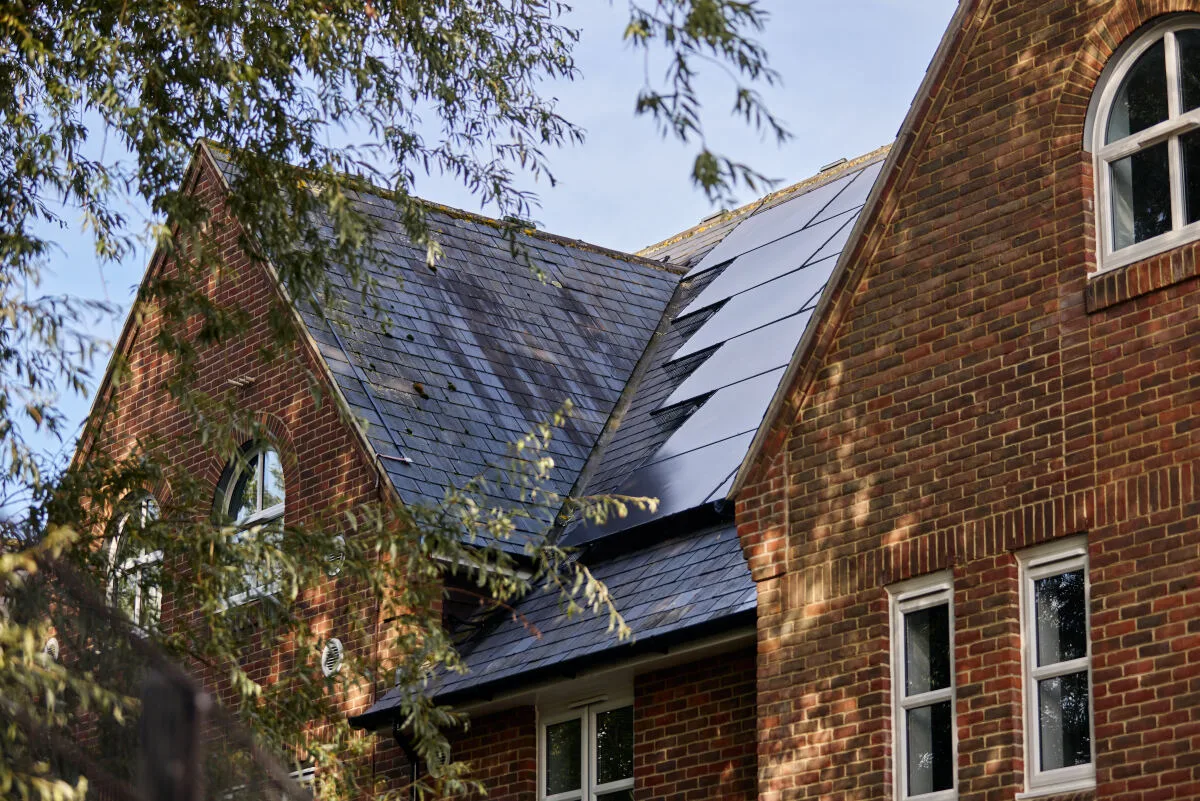
The wider site also included the Grade II listed Ock Mill building, creating an opportunity not only for educational expansion but also for the long-term regeneration of a historically significant riverside setting.
Unlocking Potential Through Retrofit
Unicorn School appointed WWA to explore the site’s feasibility. From the outset, it was clear that repurposing the buildings could deliver exactly what the school needed: room to double its student numbers, purpose-built teaching environments, and proximity to the existing campus so the community wouldn’t be fractured.
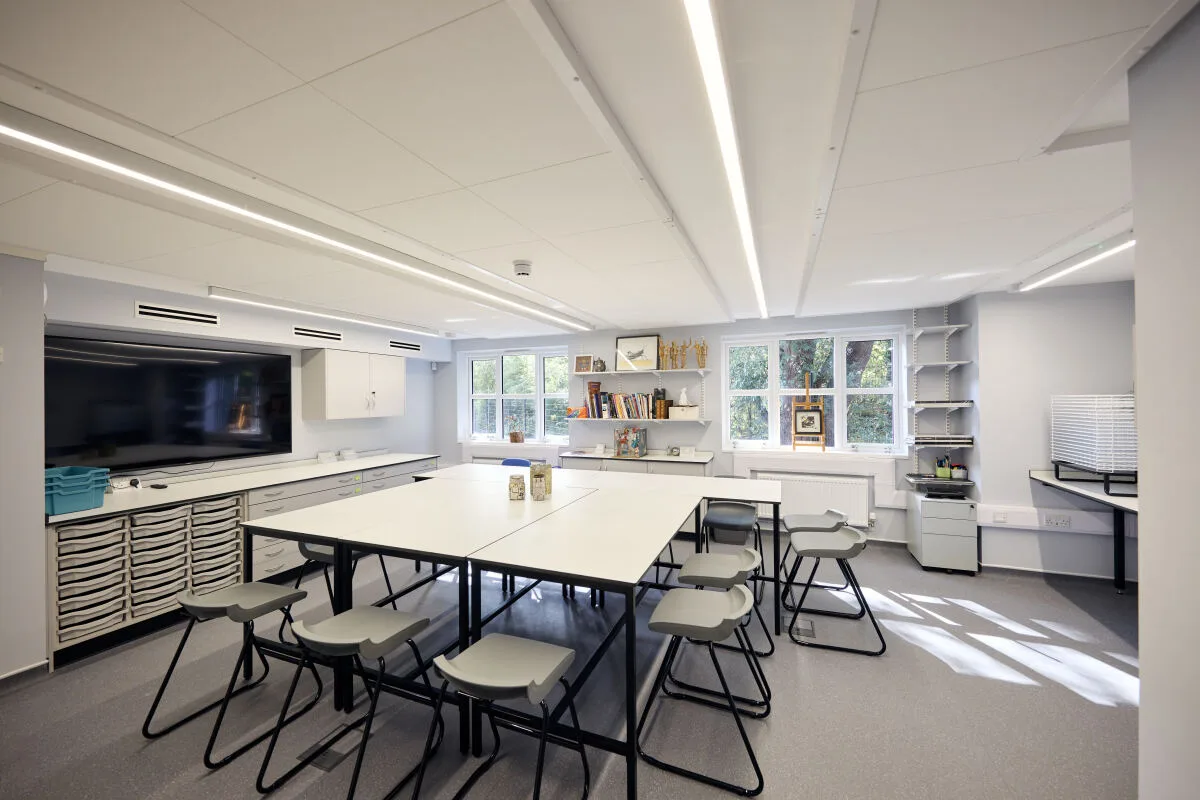
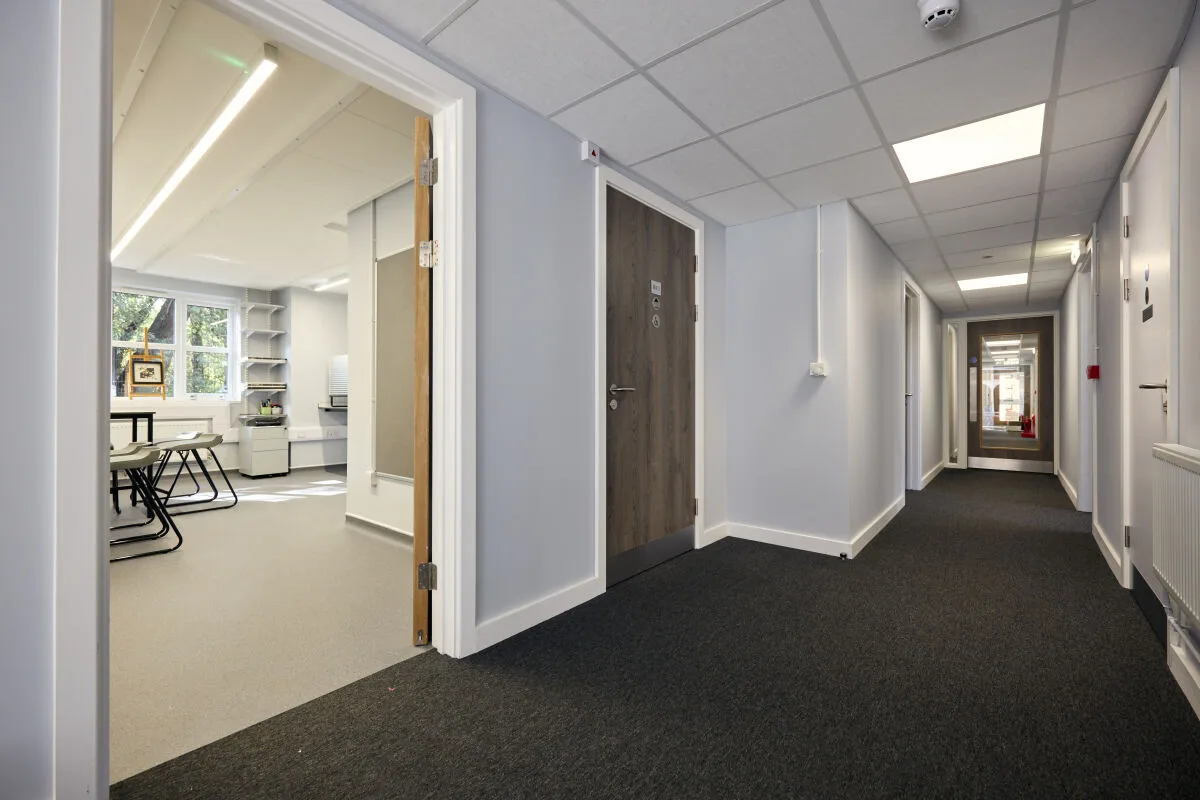
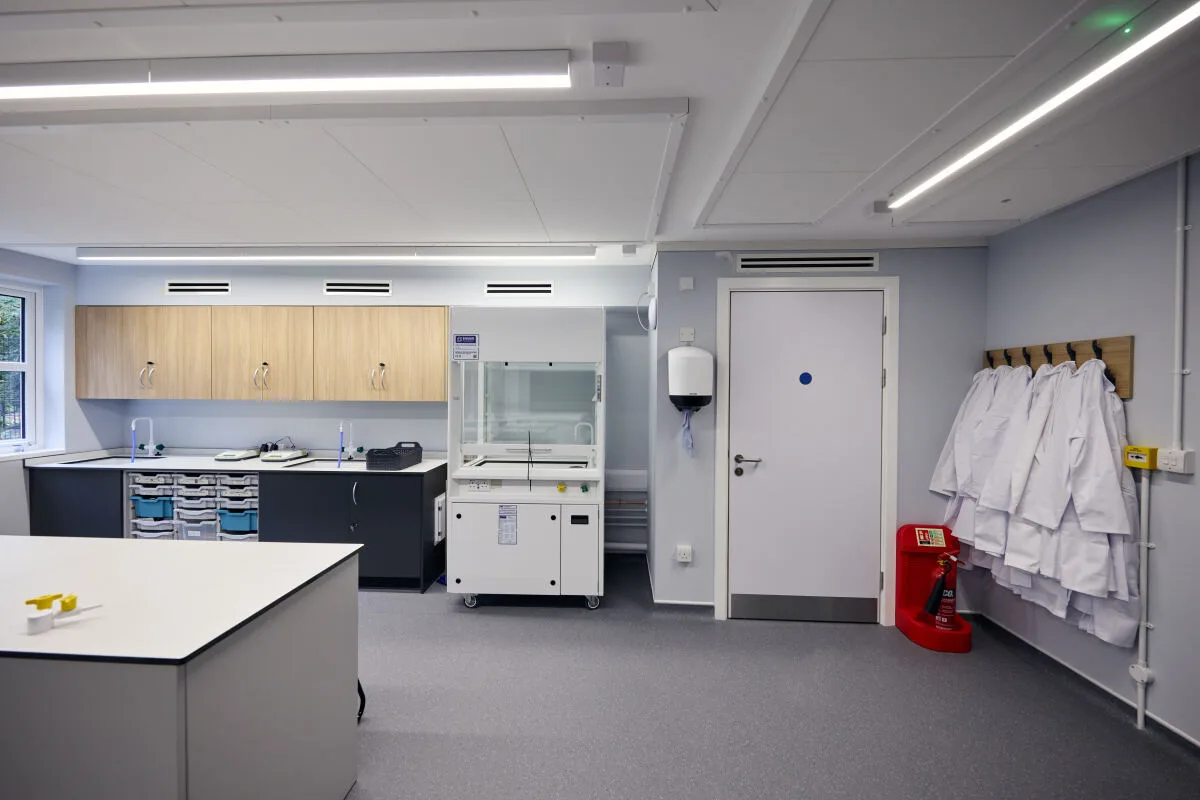
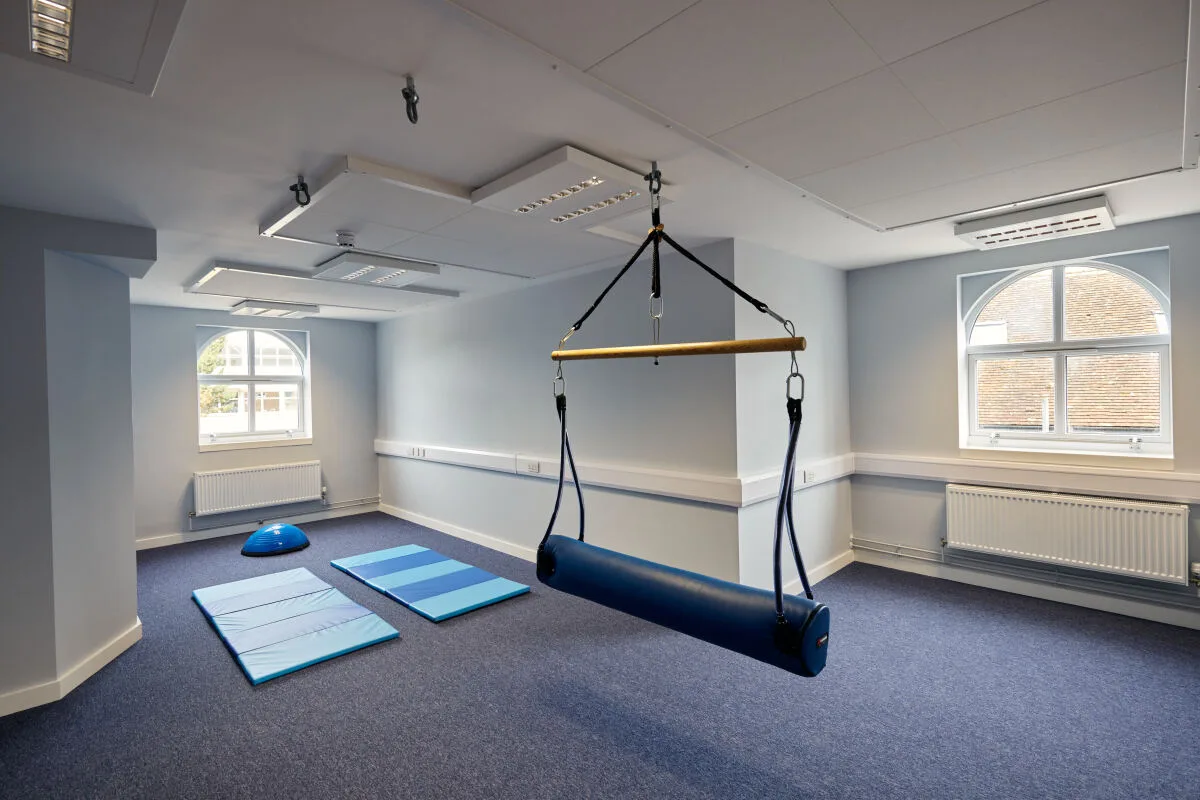
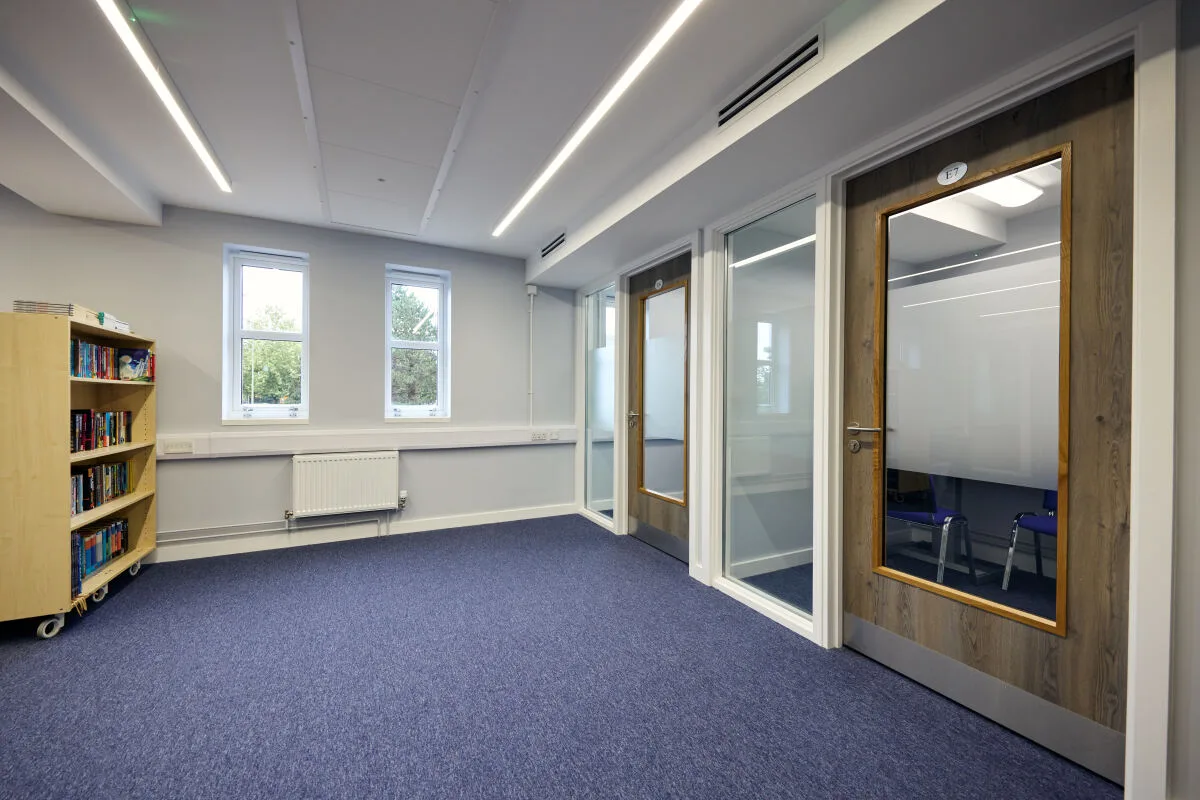
Rather than demolish and rebuild, the project adopted a retrofit-first approach. The team transformed the former 1980s hotel into a sustainable educational environment while reducing embodied carbon. What could have been seen as a constraint became an opportunity. The design team transformed former bedrooms into science, art and food technology classrooms. The team designed therapy spaces and exam pods around SEND needs. Outdoors, the riverside setting offered the perfect environment for a forest school, while a new car park eased long-standing access challenges.
The project delivered more than a physical transformation. It was the creation of a truly fit-for-purpose environment, designed around students rather than forcing students to adapt to constrained, legacy buildings.
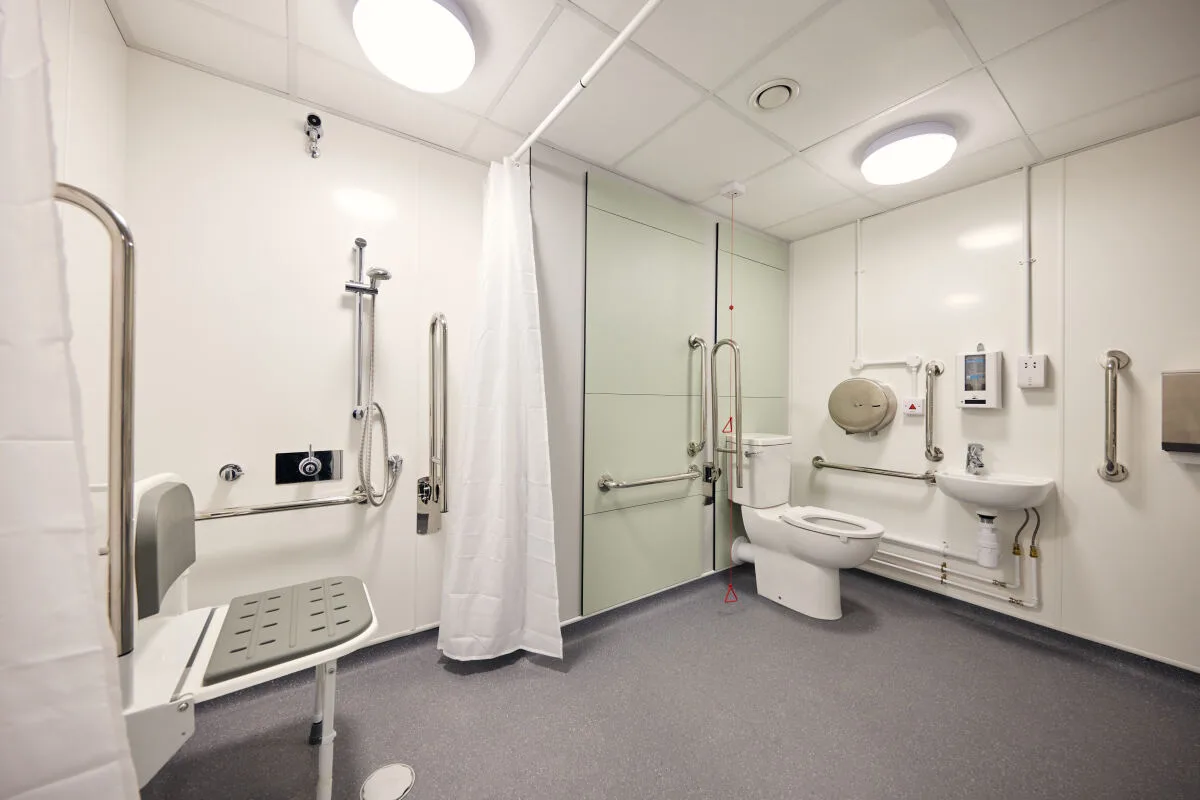
The design introduced light-filled teaching spaces, calming interiors and enhanced outdoor learning environments. Together, these spaces support wellbeing, independence and confidence for SEND students.
Tackling the Unexpected
As the design evolved, a major challenge emerged. The hotel’s structure relied heavily on lightweight timber framing, raising complex fire safety and compliance issues. The risk was significant enough to put the entire project in jeopardy.
Through early contractor involvement, close collaboration enabled the team to overcome the challenges. WWA’s experience in retrofit, heritage and technically constrained educational projects proved critical in navigating the complexity of the building’s existing structure and regulatory requirements. WWA worked closely with structural engineers and contractors to devise a certified fire-resistant lining system that met stringent regulations without compromising the design. Despite challenges such as low ceiling heights. The team successfully rerouted services and integrated acoustic and thermal solutions, resolving technical issues without compromising educational quality.
WWA kept the client informed throughout the project. A proactive and transparent approach helped maintain trust and confidence during complex stages of the work.
A Lasting Impact
The team completed Phase 1 of the low-carbon retrofit in August 2025. For the first time, Unicorn School opened its doors to 240 students. Young people now benefit from specialist teaching spaces, modern accessibility features and a secure, sustainable campus designed to grow with them.
The transformation is more than additional space. For the Trust, this represents a milestone: ownership of a campus designed specifically for its unique model of SEND education. The project transformed a fading reminder of the past into a place of growth, inclusion and opportunity for the school community. The project shows how existing buildings can meet urgent social needs while reducing environmental impact and strengthening local identity.
Results at a Glance
By reimagining and adapting an existing site, Unicorn School has achieved a step change in capacity, quality and sustainability. At a glance, the project has delivered:
- 100% increase in student capacity from 120 to 240
- Dedicated specialist teaching spaces (science labs, food technology, art studios, therapy rooms)
- New school hall and post-16 provision
- Forest School and enhanced outdoor learning environments
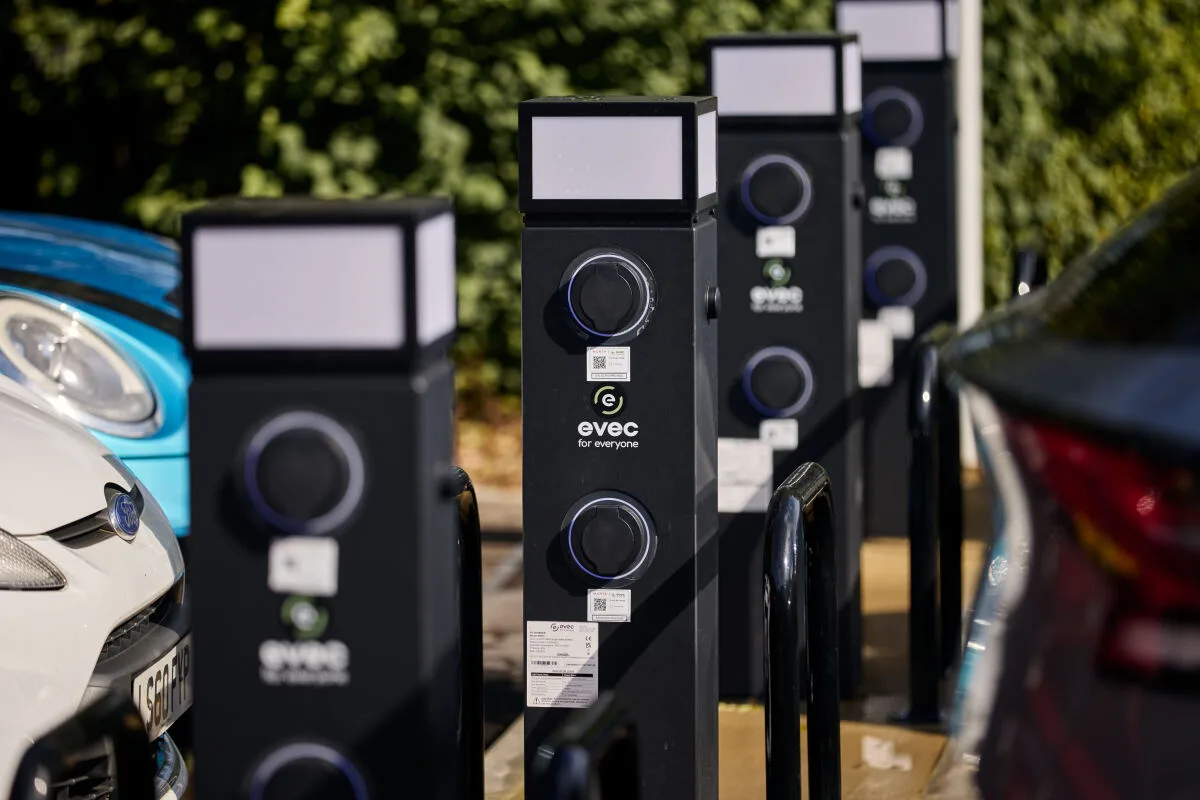
- Sustainability and accessibility upgrades that support long-term resilience
- Approx. 80% retained structure/fabric, significantly reducing embodied carbon compared to demolition and new build
By embracing adaptive reuse, Unicorn School achieved more than a building expansion. The project transformed a redundant commercial site into an inspirational SEND learning environment while safeguarding heritage, reducing embodied carbon and strengthening the wider community. It demonstrates how a thoughtful retrofit and socially driven design can breathe new life into forgotten places and create lasting impact for future generations.
Do you have an underused building or challenging site? Let’s turn it into something extraordinary.
We would love to start the conversation and explore how your site could make the same kind of difference.
Our Projects

Lord Wandsworth College: Masterplan
View Project
All Souls College Sustainability and Energy Reduction
View Project
Gipsy Lane, Oxford Brookes University
View Project
Surrey SEN School
View Project
Lord Wandsworth College: Science Centre
View Project
Abingdon Preparatory School
View Project
EF International Academy Oxford
View Project
All Souls College Façade Restoration
View Project
Shropshire SEN School
View Project